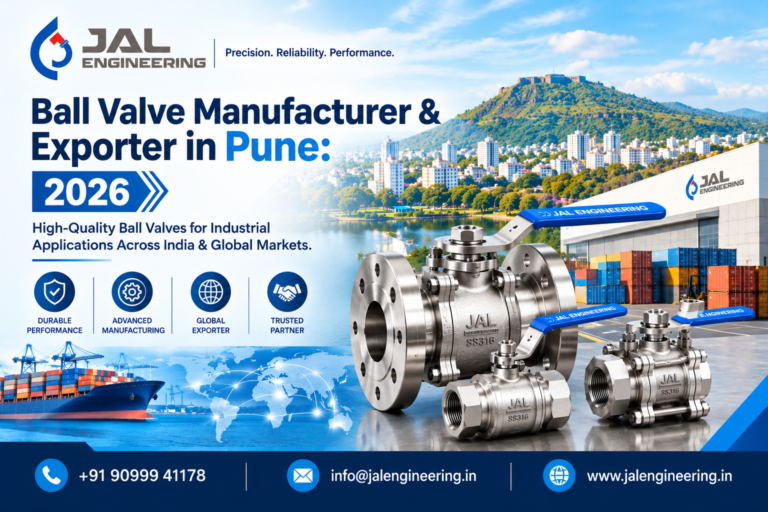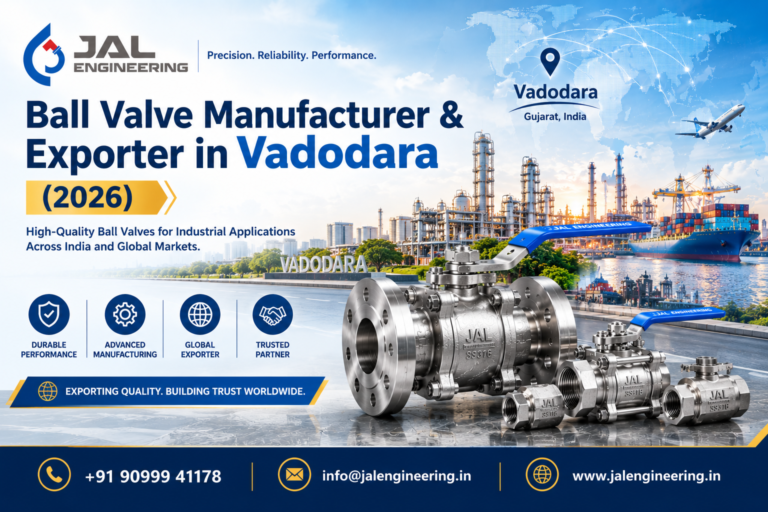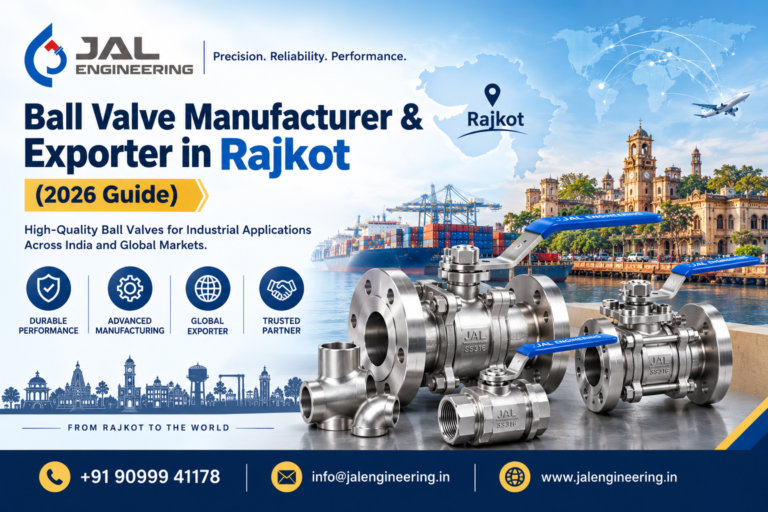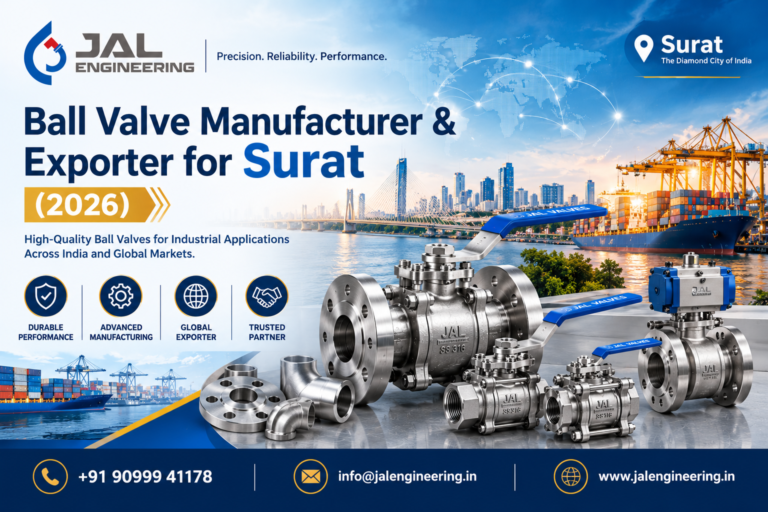
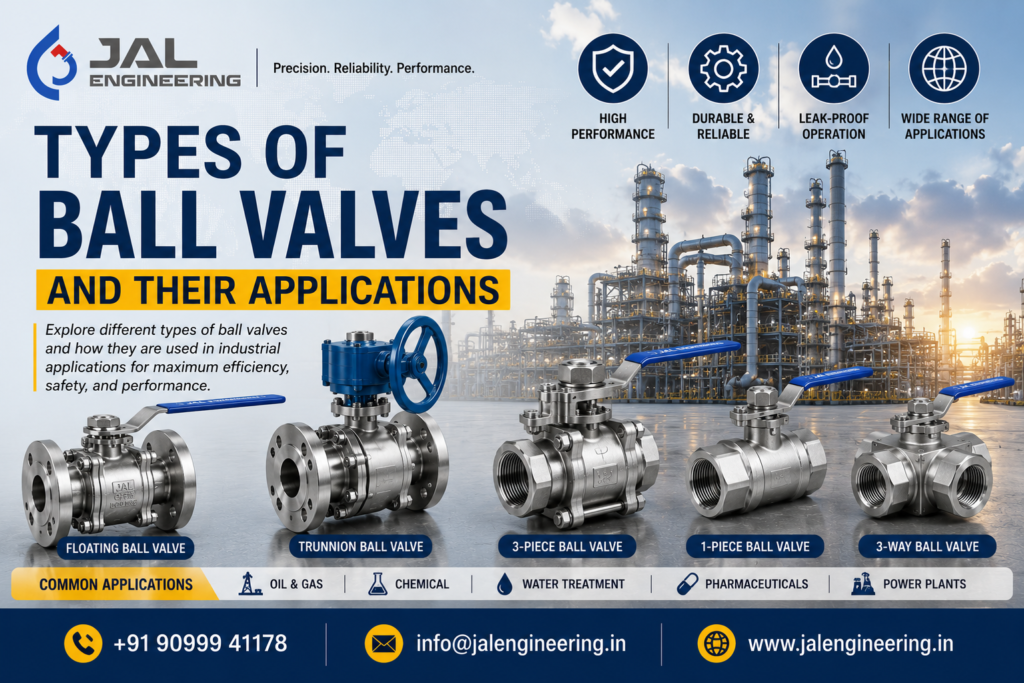
If you work in process piping, water treatment, or industrial manufacturing, you’ve likely come across ball valves — one of the most widely used valve types for on/off flow control. Understanding your options starts with knowing what different ball valve manufacturers offer, since not every design suits every pipeline. In this guide, we break down the main types of ball valves and where each one fits best.
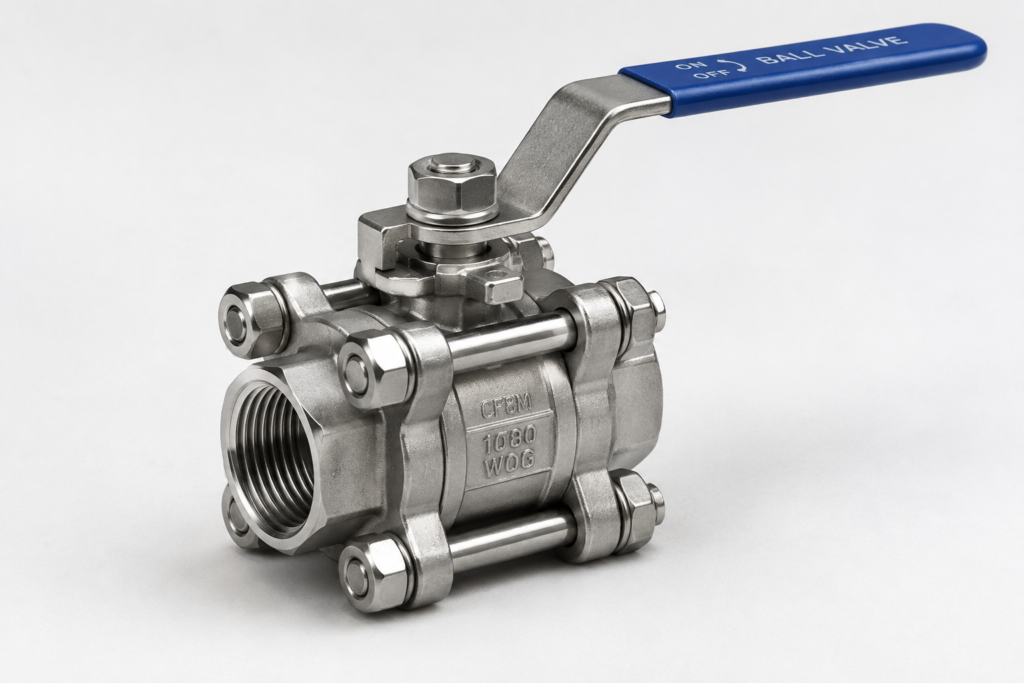
What Is a Ball Valve?
A ball valve uses a hollow, perforated ball to control flow through a pipeline. When the ball’s hole aligns with the pipe, fluid flows freely; a quarter turn rotates the ball to block flow completely. This design, built to standards set by bodies like ASME, makes ball valves fast to operate, reliable for tight shut-off, and low-maintenance compared to other valve designs.
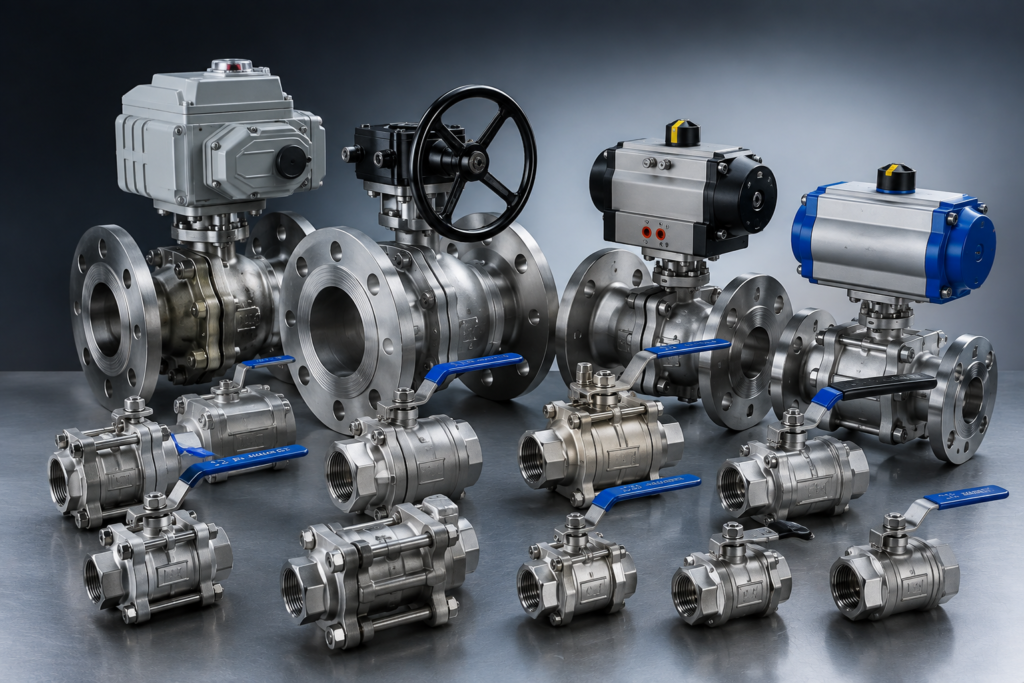
1. Two-Piece Ball Valves
Two-piece ball valves have a body split into two sections, which makes them compact and cost-effective. However, servicing typically requires removing the valve from the pipeline. They work well in applications with moderate maintenance needs, such as general industrial piping and utility lines.
2. Three-Piece Ball Valves
Three-piece ball valves feature a removable center section, so technicians can access internal components — the ball, seats, and seals — without disconnecting the end pipework. This design significantly reduces maintenance downtime, which is why process plants that need frequent inspection and cleaning often prefer it.
3. Flanged End vs. Screwed End vs. Socket Weld End
- Flanged End — Bolted connection, ideal for larger pipe sizes and high-pressure systems where secure, leak-proof joints matter most.
- Screwed End — Threaded connection, best suited for smaller pipelines in low-to-medium pressure applications like utility and instrumentation lines.
- Socket Weld End — Permanently welded joint, used where a completely leak-tight, long-term connection is required, such as in refineries and power plants.
4. Three-Way Ball Valves
Unlike standard two-way valves, three-way ball valves manage flow between three pipeline directions. Plants use them for diverting, mixing, or bypassing flow, which reduces the number of individual valves needed in complex piping layouts.
5. Pneumatic Operated Ball Valves
For automated process lines, pneumatic operated ball valves allow remote or programmed control without manual intervention. Facilities commonly install them in batch processing systems, automated utility lines, and large-scale plants where quick, repeatable valve actuation is essential.
6. Extended Shaft and ISO Pad Ball Valves
Extended shaft ball valves suit insulated or cryogenic pipelines, keeping the operating handle accessible above the insulation. ISO pad ball valves, meanwhile, come actuator-ready, letting plants automate valve operation without additional mounting brackets.
Choosing the Right Ball Valve Manufacturer for Your Application
When selecting a valve — and the ball valve manufacturers you source it from — consider:
- Pressure and temperature rating of your system
- Pipe size and end connection compatibility
- Maintenance frequency — three-piece designs save time on servicing
- Automation needs — whether you require manual or actuated operation
- Material — stainless steel (SS304/SS316) for corrosion resistance in chemical or marine environments, tested to ASTM specifications
Need Help Choosing?
As one of the established ball valve manufacturers in Ahmedabad, Jal Engineering manufactures the full range covered above — from 2-piece and 3-piece designs to pneumatic operated and 3-way configurations — in stainless steel built to ANSI and DIN standards. Browse our complete ball valve range or get in touch for expert guidance on the right valve for your project.